Basic Mayonnaise Recipe for Your Paleo Diet

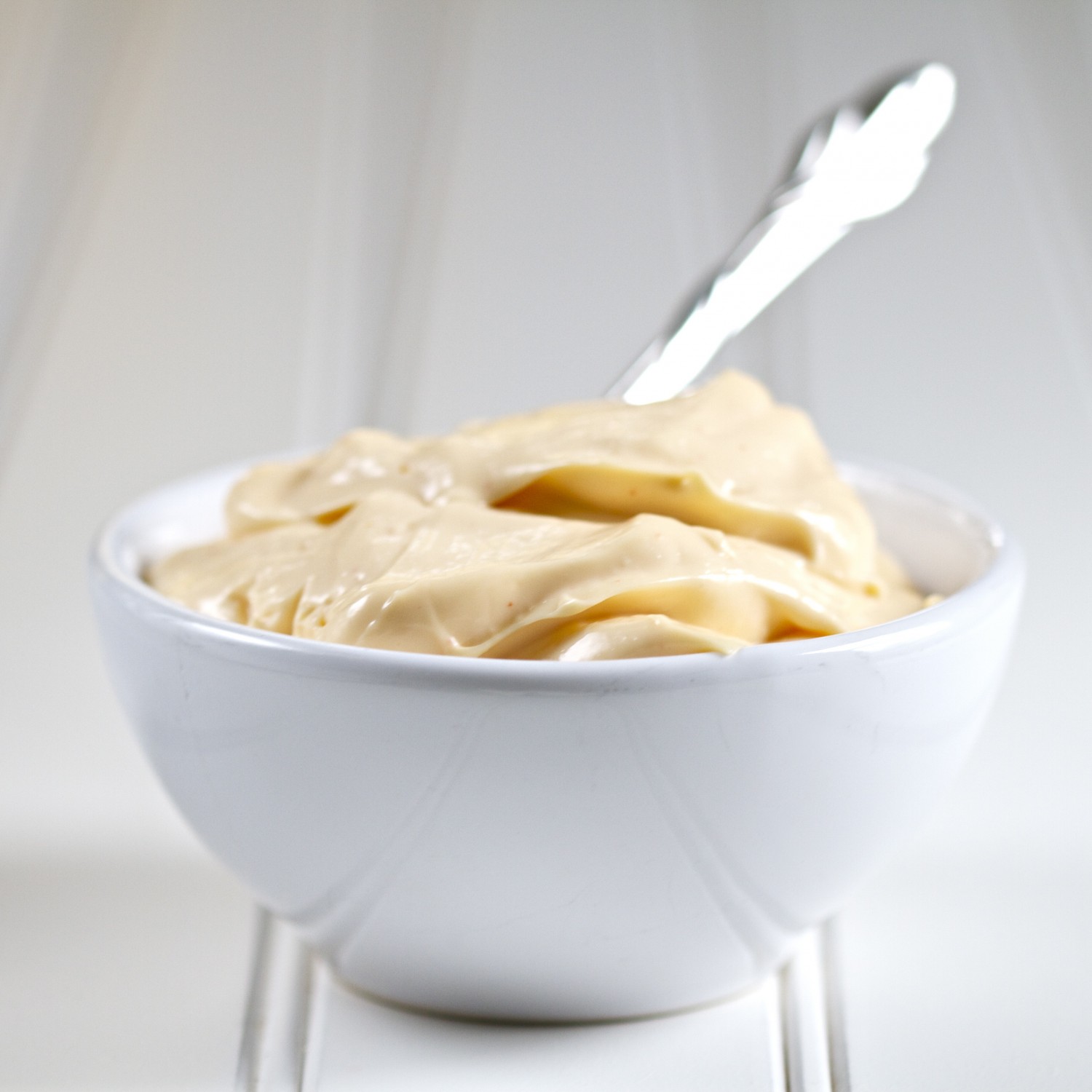
Paleo mayonnaise recipeMy husband abhors mayonnaise with a passion. Despite this, both of our boys ended up being fans of mayonnaise just like their mom. If you find yourself on the pro-mayonnaise side, and want to avoid inflammatory oils, this recipe for Basic Paleo Mayonnaise is for you.

Why Make Your Own Paleo Mayonnaise at Home?

One of the main reasons I like to make my own mayo is it is almost impossible to find a brand in the grocery store that is not made with soybean oil (yuck!). And any food made with soybean oil is, by definition, a low quality food. And it’s not just soybean oil we should try to avoid, it’s any highly (high temperature and pressure) processed vegetable or seed oil. Sadly, these oils are in virtually all commercial mayonnaise and salad dressing products.

What Type of Oil Should Be Used in Paleo Mayonnaise?

Rather than soybean, canola or grapeseed, using extra virgin olive oil is a much more healthful choice. The challenge with olive oil (besides making sure it really IS olive oil!) is the flavor can sometimes be too strong to work well in mayonnaise. My recipe recommends you use regular olive oil, sometimes called “light” or “extra light” olive oil, instead of the usual Extra Virgin Olive Oils.

Here’s the one I used this time.extra light olive oil
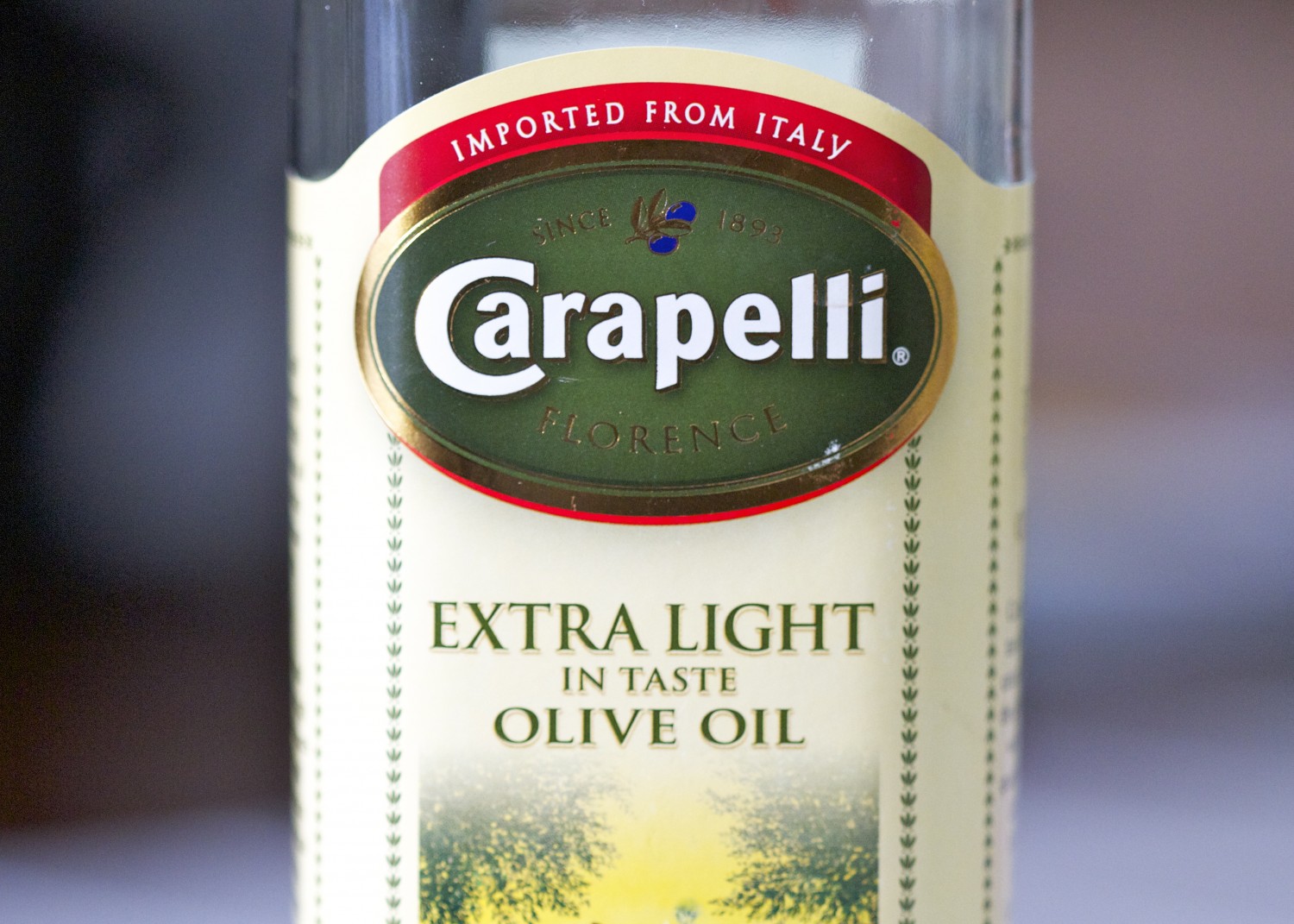
Another option is to use something like avocado oil which has a mild to neutral flavor but, unfortunately, without the same level of health benefits as good olive oil.

What are Some of the Challenges with Making Mayo at Home?

One of the fears people have in making their own mayo is the use of raw eggs*. In reality, the risk of getting salmonella is fairly low. The risk is even lower if you use farm fresh eggs and, as it says on the carton, you CAN taste the difference.Eggs for paleo mayonnaise recipe

Check out these beautiful, farm fresh eggs from one of my neighbors.

Read more

Baked Eggs in Prosciutto Cups

baked egg in prosciutto cups

baked egg in prosciutto cupsBaked Eggs in Prosciutto Cups is an easy recipe that qualifies, in my humble opinion, as “good enough for company”. Both my boys loves these – even my son who does not especially like to eat eggs. I have made a similar recipe using a muffin tin but find it easier and with better results when using ramekins. Muffin tins must to be greased in order to keep the prosciutto and eggs from sticking. And they never seemed to come out clean unless I spent a lot of time carefully lining the tin with the prosciutto so the egg could not seep through. With the ramekin it does not matter because you are eating the egg cups right out of the dish. That being said, you can still use a muffin tin for this recipe. Just be sure that you grease the tins well.

Besides being super easy and delicious, one of my favorite things about this recipe is the use of prosciutto. Unlike many other cured pork products, prosciutto does not (normally) contain nitrates/nitrites because it is cured with salt. In fact, salt is generally the only ingredient, besides pork, you will see listed on the label. This is great news for me, and others like me, who have a reaction to nitrates/nitrites and other preservatives.

Read more

Paleo Chipotle Chili

Paleo Chipotle Chili

Posting a recipe for Paleo Chipotle Chili today seems especially appropriate. I am traveling back to my home state of Texas for the Paleo FX Symposium 2012 in Austin. It was an early morning for me today, beginning with my 3:30 a.m. alarm, but made better by the pink sunrise highlighting the dark Manhattan skyline … Read more

Roasted Beets with Blood Oranges

beets and blood oranges

beets and blood orangesRoasted Beets has become one of our favorite side dishes. The first time I roasted beets myself was several years ago after purchasing Ina Garten’s cookbook “Barefoot in Paris”. Before going Paleo it was one of my favorite cookbooks. In fact, I liked it so much I stood in line for quite a while to meet Ina and have her sign my copy. See, I’m seriously a fan!

There are still a few recipes in that cookbook that fit with a paleo diet and roasted beets is one of them.

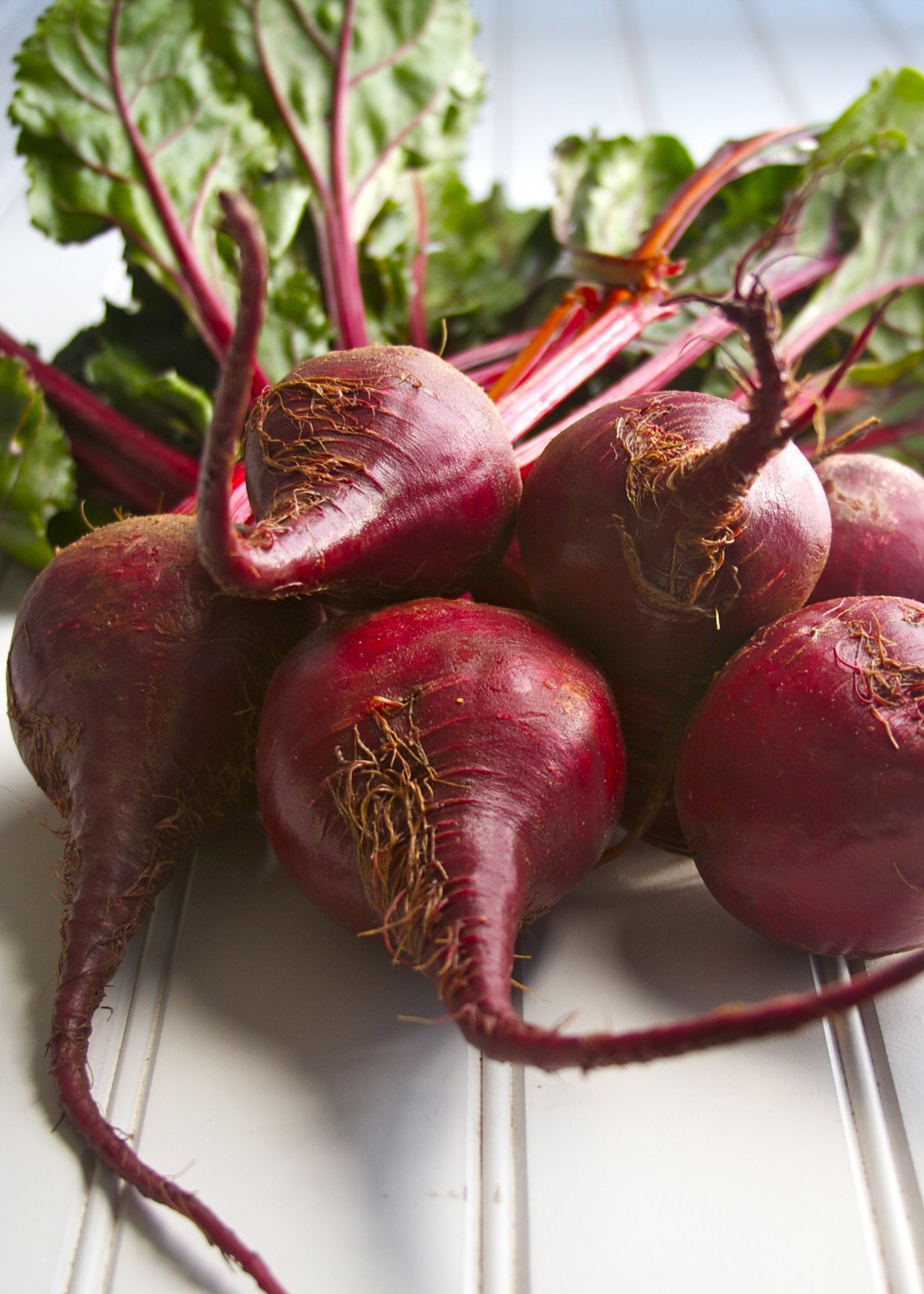
I love beets. See how gorgeous they are. red beetsI think they like having their photo taken.

Read more

Trout with Blood Orange Sauce and Cassava Bacon Hash

While perusing the fish options at Whole Foods recently, my attention was captured by the trout. According to the powers-that-be at Whole Foods (or whomever wrote the little note in front of each fish variety at least), trout goes great with sage, citrus and bacon (BACON!!!). Ordinarily I think of fish as requiring more delicate flavors. In fact, when I was living in Italy I distinctly remember the passionate view of my Italian roommates who insisted you should never, NEVER combine fish with cheese in recipes. (I did not entirely agree with that, by the way.) The given reason for this “RULE” of Italian cooking is the flavors of fish are much too delicate to withstand the strong flavor of cheese. Strong flavors supposedly overpower fish. So when I saw the bacon recommendation for trout I was intrigued. Who is this fish that defies such a universal truth?

I snapped up a couple of pounds of trout and determined to further investigate this culinary conundrum.trout

Another reminder of my former life in Italy was the gorgeous blood oranges I found in the produce section. Hmmm. Blood oranges qualify as citrus. I added them to my cart and began to formulate my plan for an amazing paleo fish recipe.

blood oranges

Read more

Better Burgundy Mushrooms

paleo burgundy mushrooms

The Pioneer Woman’s Burgundy Mushrooms is an absolutely delicious recipe. I add my voice to the chorus of folks who agree this is one tasty side dish. With a few modifications it is also a great paleo side dish. A BETTER Burgundy Mushrooms recipe, if you will. I served it this past Christmas to rave reviews. … Read more

How to Make “Brown” Beef Bone Stock

finished beef bone stock

finished beef bone stockWhen I told my oldest son I was roasting some bones in the oven he looked at me sternly for a few seconds before exclaiming, “Mom, you just keep getting weirder and weirder!” I suppose from the perspective of a 10 year old, the idea of roasting bones, then “painting” them with tomato paste (a bit of a macabre-looking scene to be sure) and then simmering them in a cauldron, um, I mean crock pot, sounds a bit bizarre. But in spite of appearances, there is a method to my (seeming) madness.

In the post How to Make Chicken Stock in Five Minutes I touched on some of the health benefits of eating bone stock. It’s a great “whole” food few of us incorporate into our modern diets. Health benefits are one thing, but when you experience the exquisite flavor of real “brown” beef bone stock you will understand just how worthwhile it is to make it yourself. Store bought stock will never have the same rich flavor and certainly not provide you with the full health benefits.

This recipe is based on one from Emeril Lagasse. I have tweaked the quantities, eliminated the wine and thyme, increased the cooking time and included vinegar to pull the minerals out of the bones for maximum health benefit. You could make bone stock without roasting the bones but it would not have quite the same rich flavor. The process of browning the bones makes for a sophisticated flavor that is beyond compare. This is a classic method chefs use to obtain maximum flavor from bones for use in stocks and sauces.

The recipe makes a fairly significant amount of mineral rich, delicious bone stock which means the invested time and money is well worth it.

Read more

How to Make Ghee in the Oven

Homemade ghee

Homemade ghee

What is Ghee and Why Should I Care?

Ghee, also known as “clarified butter”, “butter oil” or “drawn butter”, is delicious, healthful and fits in well with the Paleo diet. Many people have immune reactions to the milk solids (lactose and casein) in dairy products and may not even realize the source of the problem. This, among other reasons, is why the Paleo diet generally eliminates dairy. (I recommend trying a 30 day elimination period such as the one outlined in the Strictly Paleo Plan to help determine your tolerance of dairy products.)

Even if you find you need to avoid dairy, most likely you can still enjoy ghee. Ghee is butter that has had all the water and milk solids removed. It is somewhat different from clarified butter in that the process of making ghee involves toasting the milk solids resulting in a nutty, rich flavor. Unlike butter, ghee has a long shelf life and can be used for high temperature cooking. It is also not as difficult to make as you might think.

Make Ghee, Feel Like Wonder Woman

The Health Benefits of Ghee

A tablespoon of ghee contains 8g Saturated fatty acid (SFA), 3.7g Mono-unsaturated fatty acid (MFA) and 0.5g Poly-unsaturated fatty acid (PUFA). Saturated fat, contrary to what you might have learned, is not an evil menace directly responsible for heart disease. (See this post and this abstract from “The American Journal of Clinical Nutrition”). Mono-unsaturated fats (also known as oleic acid) are the main structural fats of the body and are non-toxic even at high doses.

Ghee is also rich in fat soluble vitamins like A, D, and K2, as well as CLA (conjugated linoleic acid). CLA is an essential fatty acid found almost exclusively in grass-fed animals and may protect against cancer, heart disease, and type II diabetes. To get the benefit of CLA from butter and ghee, I strongly recommend you purchase varieties from pastured (grass-fed) animals. Using organic butter will also ensure you are avoiding hormones and pesticides that may find their way into your ghee.

Here are a couple of brands of pasture butter I use:

Read more

Rutabaga Hash Browns with Pulled Pork

Turnip Hash Browns

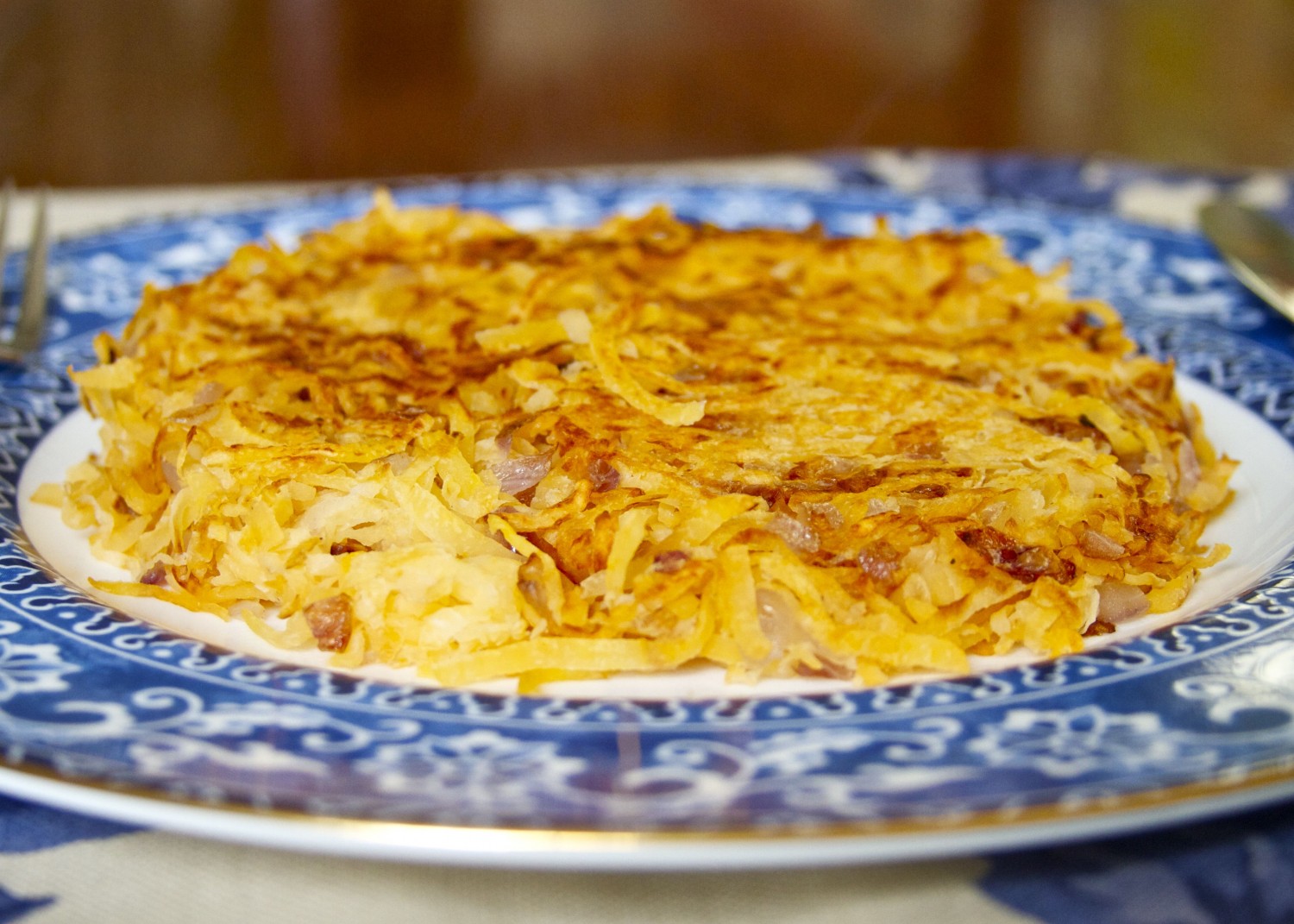
Turnip Hash BrownsDo you aspire to be one of those people who plans ahead? Would you like to have your weekly meals all laid out in advance? While I know it would save me time and money to do that, the fact is I am not especially talented in this area (can you say ADD?). The following recipe for Rutabaga Hash Browns with Pulled Pork is an exception. Breakfast on the Paleo diet can be a tough transition because we are so used to eating some type of grain in the mornings. But while this recipe will not solve all weekly meal dilemmas, a few quick steps the night before and you will be minutes away from an amazing, delicious, nutritious and inexpensive breakfast the next day.

On a whim (see how I don’t plan!) I bought a waxed turnip. (I previously titled this post “Turnip Hash Browns with Pulled Pork” because I was a little mixed up about the terms. See explanatory post.) According to my crumpled receipt, which I just fished out of the bottom of my purse, I paid $1.52 for this 2.21 lb purple and white beauty. It is lower in overall calories and carbohydrates than white potatoes but high in vitamin C. Before I went to bed I peeled it and put it through the shredder on my food processor. (You could use a box grater.) It went into a big container and then my refrigerator. I ended up with about 7 cups of shredded rutabaga.

shredded turnip for hashbrowns

Next, I rubbed a 3 lb boneless pork butt (cost me $6) with some Tsardust Memories Russian Style Spice Seasoning from Penzey’s. It’s one of the spices I got on my recent trip to a Penzey’s retail store. It’s not critical that you use this exact spice. I was just experimenting and thought it might work well and it did. I also don’t remember the exact measurement but I basically covered the pork in a light layer. (Maybe 1 tablespoon?) The Tsardust Memories mix contains the following spices: salt, garlic, cinnamon, black pepper, nutmeg and marjoram. I added about a 1/2 cup of chicken stock (you could use water) and cooked it on low heat overnight.

Here’s what it looked like in the morning:

Read more

The Strictly Paleo Plan

When I first discovered the Paleo lifestyle in February of 2011 I dove in headfirst and completed a strict Paleo eating plan for the first 30 days. My motivation was to figure out if what I was eating might be contributing to my fibromyalgia, fatigue, chronic respiratory infections and depression. I was already fairly lean but not especially healthy and I was frustrated with doctors who could not explain my symptoms. All my tests were normal and yet I was NOT okay.

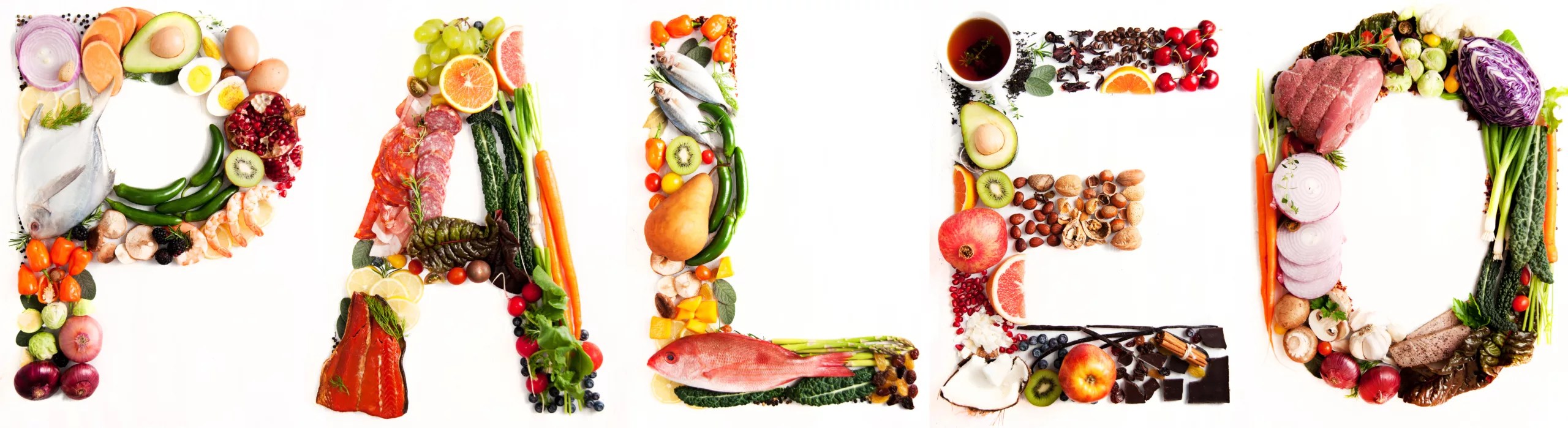
During my “experiment” I discovered certain food groups had been negatively impacting my health. The changes I have seen and felt since going Paleo have been pretty dramatic. If you have any unexplained aches and pains, inflammation, allergies, skin or digestive problems, or other ailments, or if you simply cannot manage to lose weight or keep it off you should seriously consider how the food you eat may be impacting your health. A Strictly Paleo elimination diet may be just what you need to change your life.Paleo Word in Food

What is Strictly Paleo©?

Most simply stated, Strictly Paleo means eating real food that excludes certain potentially problematic food groups for an experimental elimination period of at least 30 days.

What you DO eat:

  • Meat
  • Vegetables
  • Fruit
  • Nuts and seeds
  • Fats from nuts, seeds, and fruits

Here’s a handy guide to help with shopping.

What you DO NOT eat:

Read more